Where orchids thrive.
Lunds Akademiska Golfklubb is home to more than 400 plant and animal species. As part of the Kungsmarken nature reserve, the course carries the same protection status as the land around it — and its effects are worth both seeing and hearing.
Where orchids thrive
Lunds Akademiska Golfklubb is home to more than 400 plant and animal species. As part of the Kungsmarken nature reserve, the course carries the same protection status as the land surrounding it. Sustainable course management shapes every decision made here — and its effects are worth both seeing and hearing.
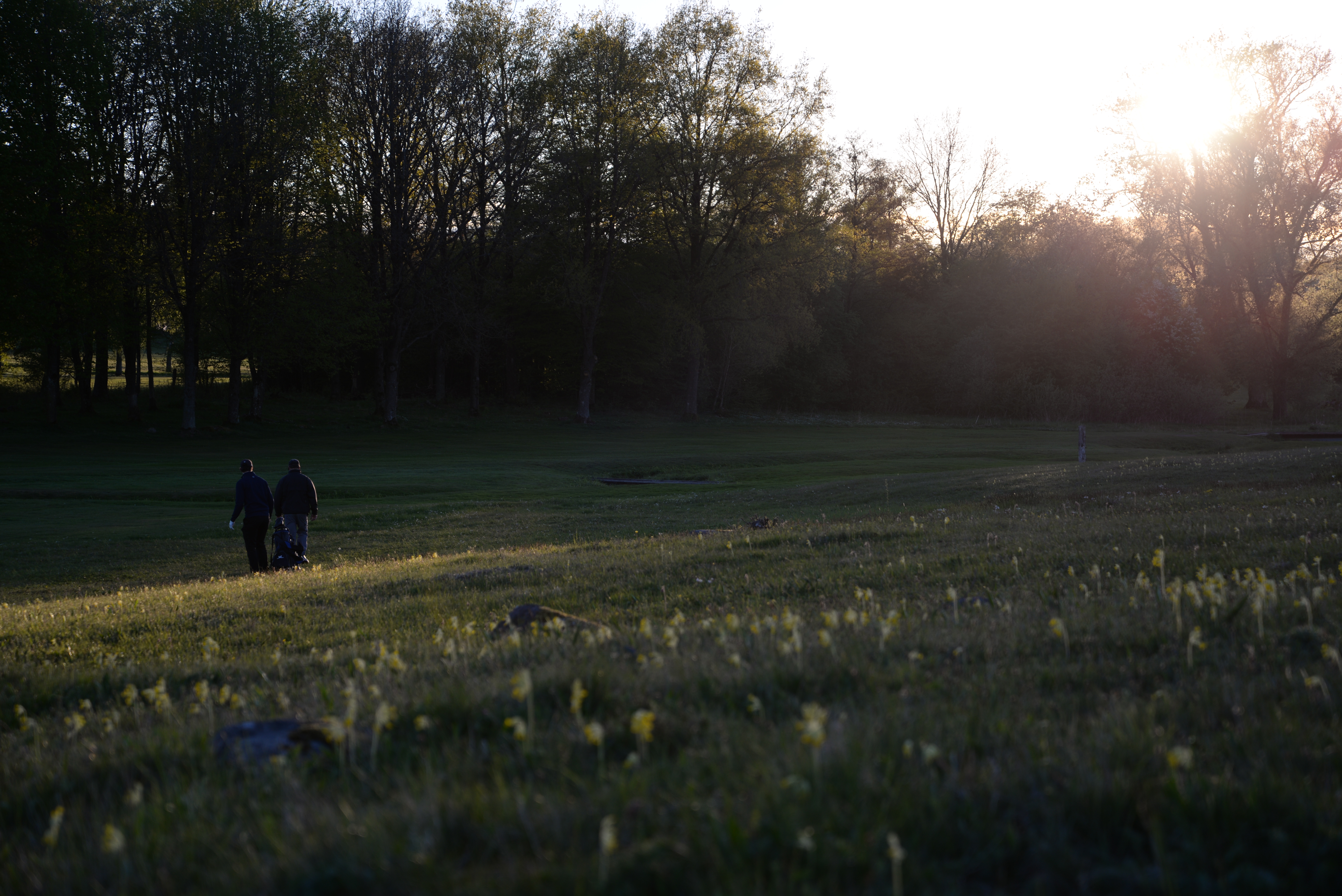
Why don't we pause for a moment on the course? The rough at the edge of the hole is easy to walk past. But when we stop for a few seconds and listen, somewhere in the trees the birds are singing in concert. What thrives here, on and between the fairways, matters as much as what happens on the greens and tees. And what happens here sets LAGK apart from many other golf courses.
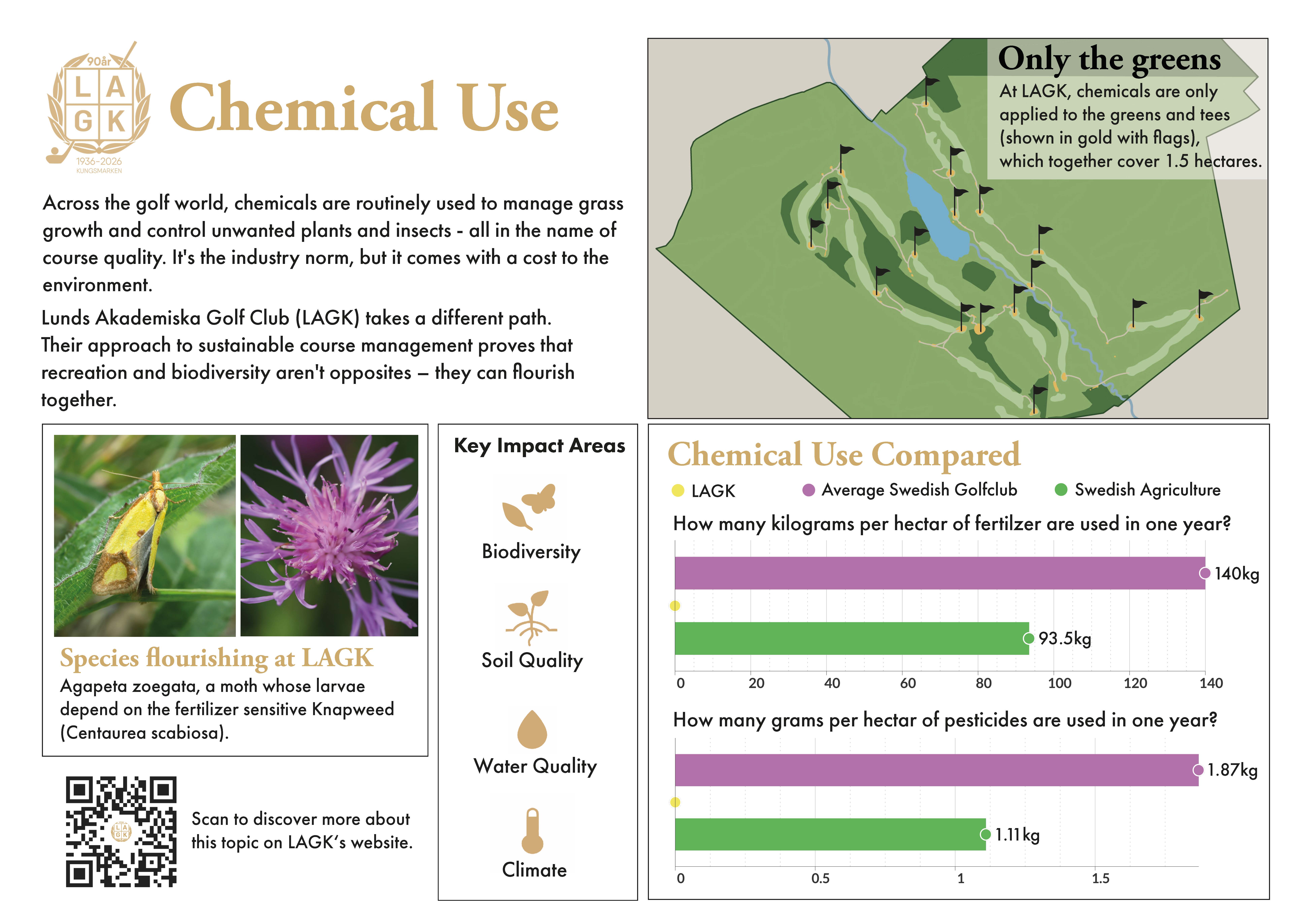
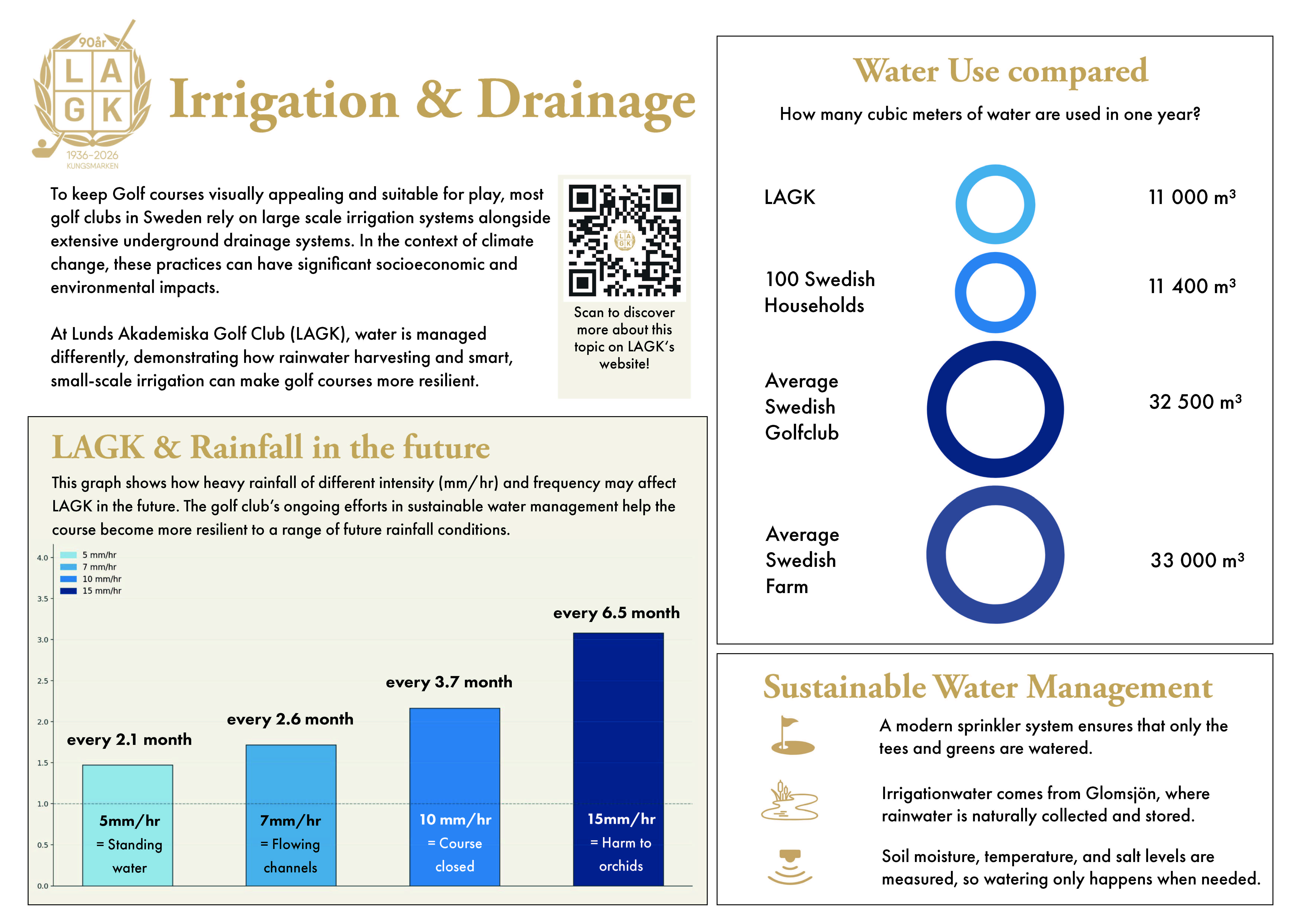
If we take a look across Skåne's landscape, we see how much of the land is occupied by agriculture. An average Swedish golf course uses approximately 37,500 m³ of water per year, a figure comparable to that of a Swedish farm. Agriculture, however, uses significantly more chemicals per hectare than an average course. In both cases, nature ends up losing. Sustainable course management, as practised at LAGK, shows that it doesn't have to be that way.
Being a member at LAGK is therefore nothing passive: the ecological management of this course is economically and socially dependent on a community who values it. To play here is part of a demonstration that golf and nature conservation can thrive on the same ground — with LAGK showing which steps have to be taken for it.
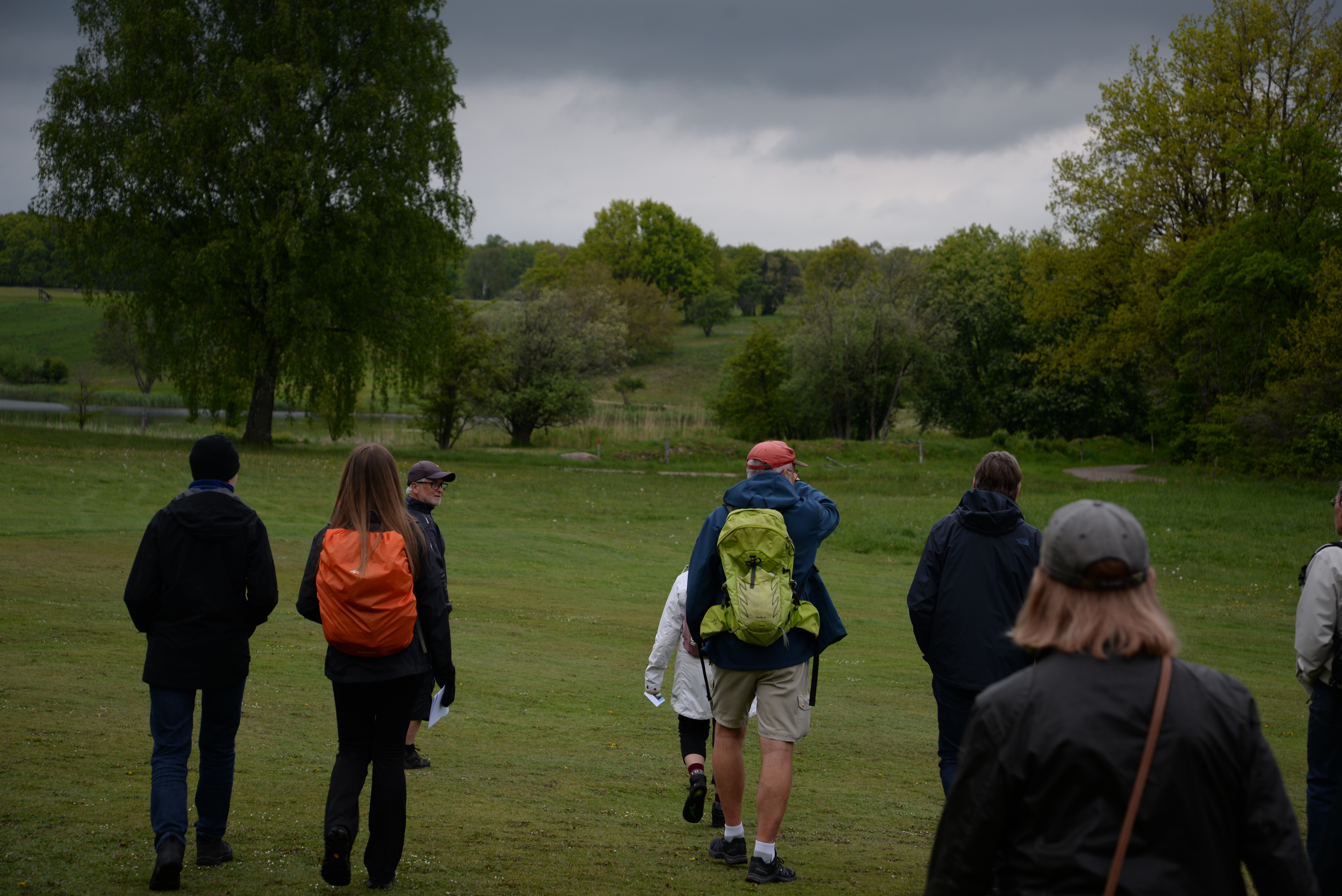
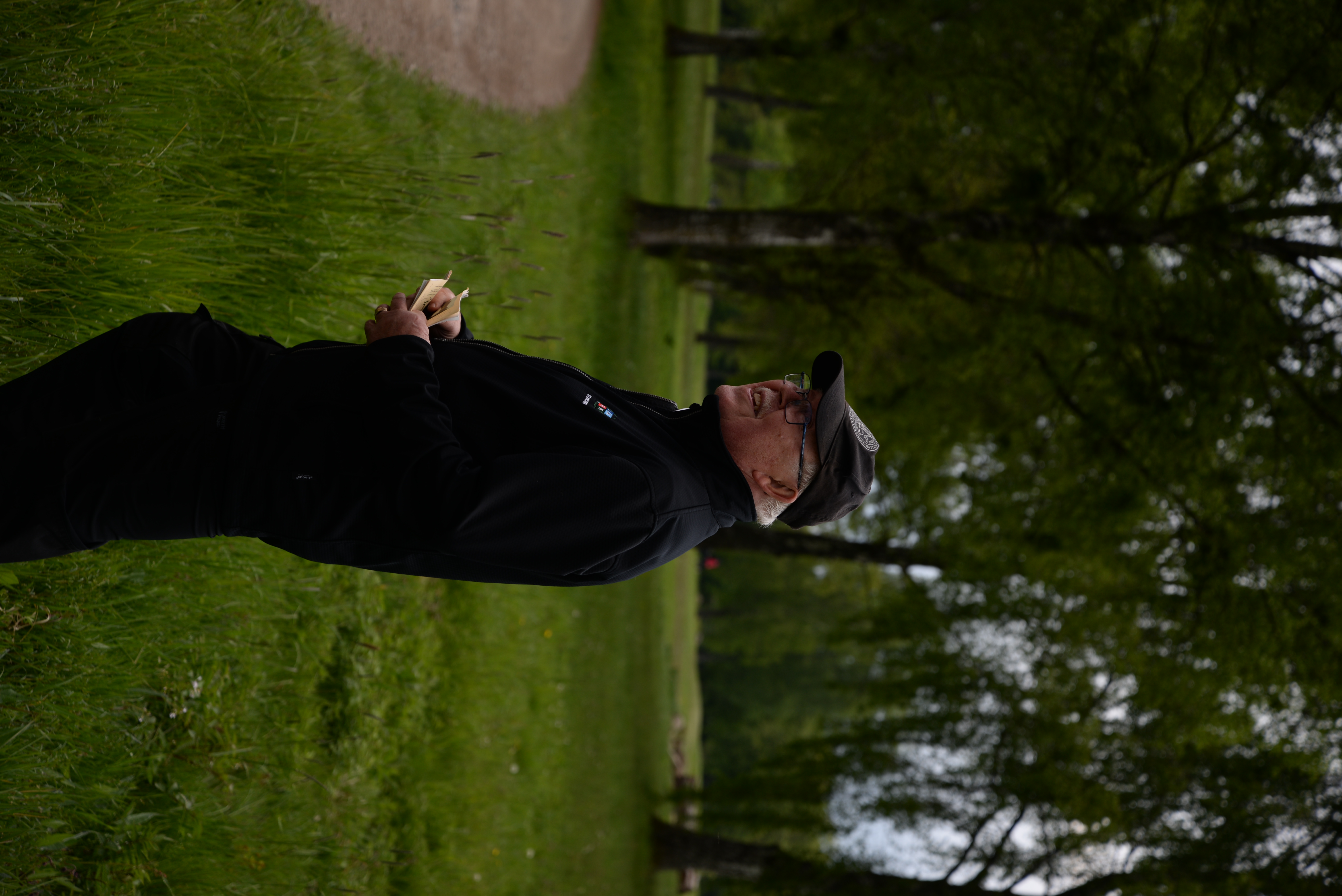
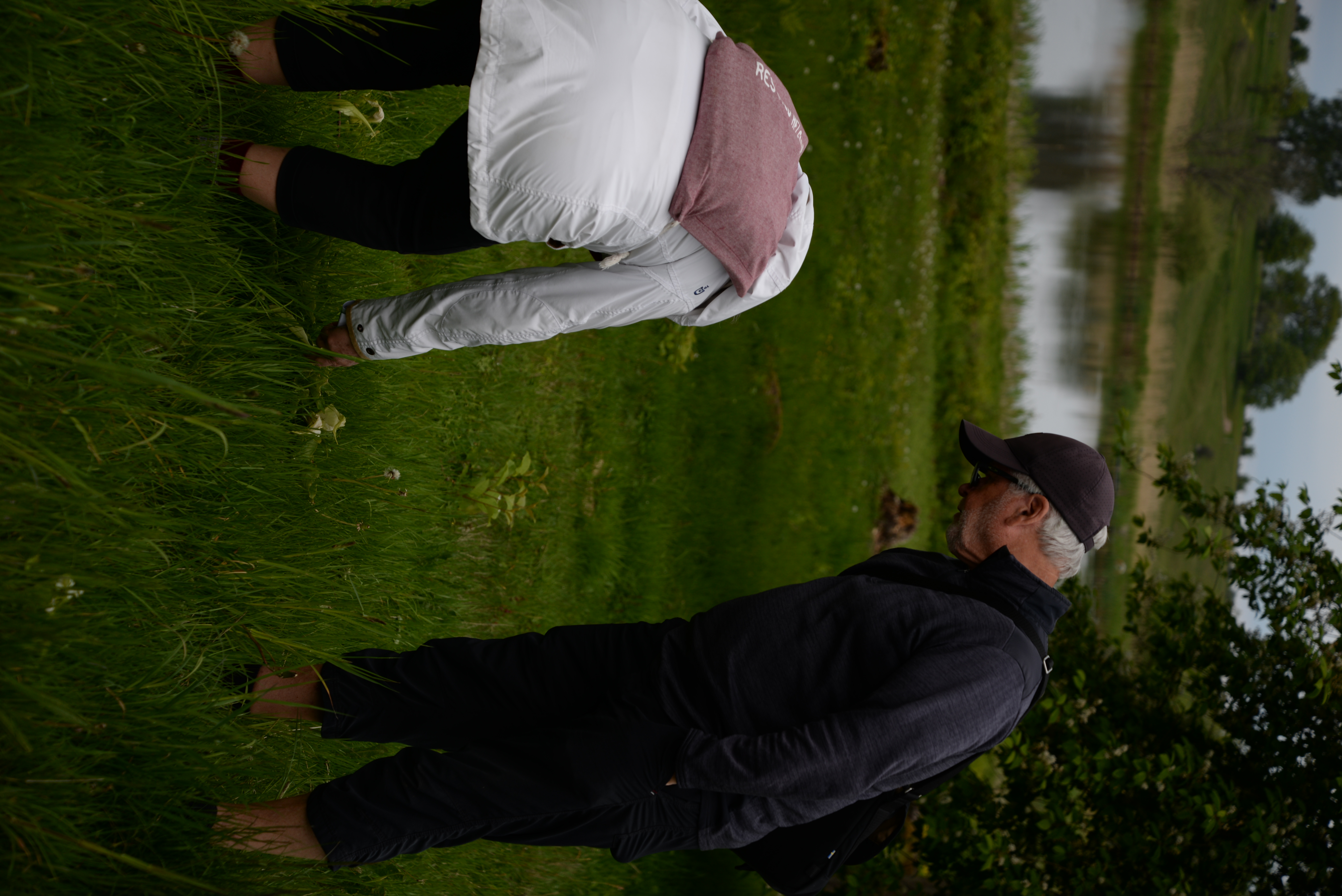
Franz-Michael Rundquist has been a member at LAGK since 1983. His connection to the course has long extended beyond the game itself. As a Professor of Human Geography, he brought a wealth of historical knowledge. When LAGK's nature committee was formed in 1995, he was involved immediately and has been a central part of it ever since. For decades he has organised cultural and natural-history walks on the course, drawing in both golfers and non-golfers alike.
Asked whether LAGK should be seen primarily as a golf course, a nature reserve, or a historic site, he smiles:
“You're asking the wrong guy. I see all of that. My golf buddies are a bit annoyed with me when I disappear out in the bush and look at some flowers. On the other side, I know the historical aspects of how this whole place has come about and where it stands today.”
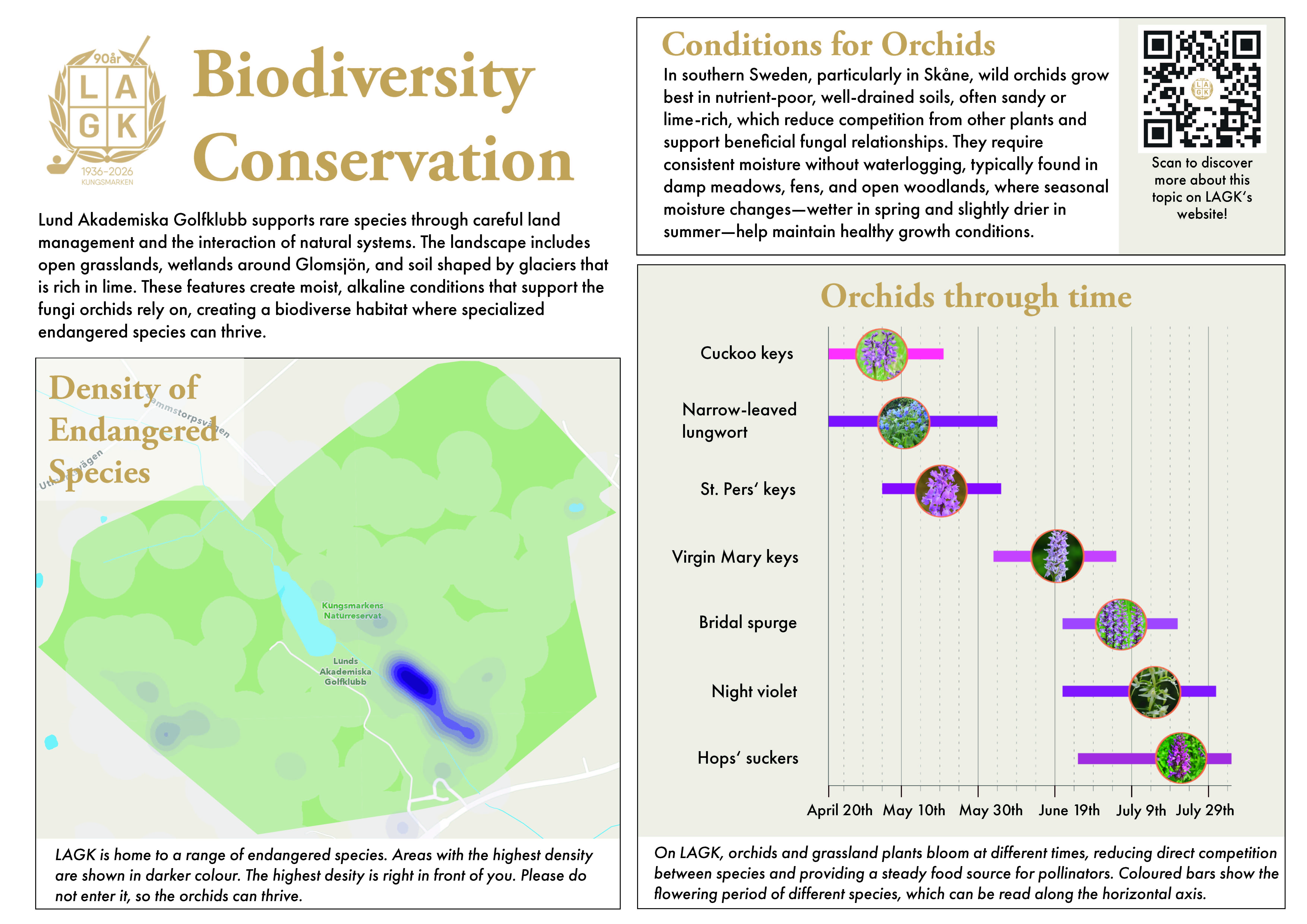
In his view, most LAGK members are aware of the conservation work on the course and treat the nature here with care. By providing a home to ten orchid species in total, LAGK also provides a steady food source for pollinators across the entire season.
“Let me draw a picture: if you throw a stone in the middle of a pond, there are waves spreading out. The tours may have an impact in the longer run by influencing more and more people. Swedish golf is quite different from golf in other countries — it's much more democratic in the sense that it covers larger layers of the population.”
Over time, he adds, the walks also reach people who might otherwise never set foot on a golf course, and who come away realising that this is a place they are welcome in.
“A success would be that we are still here and we still have an interesting and important nature to preserve — to continue to preserve. I think we can do that. There are a lot of external factors we can't control, but if we continue the way we do, and with the kind of foresight we can have, I think we are still here and doing quite well.”
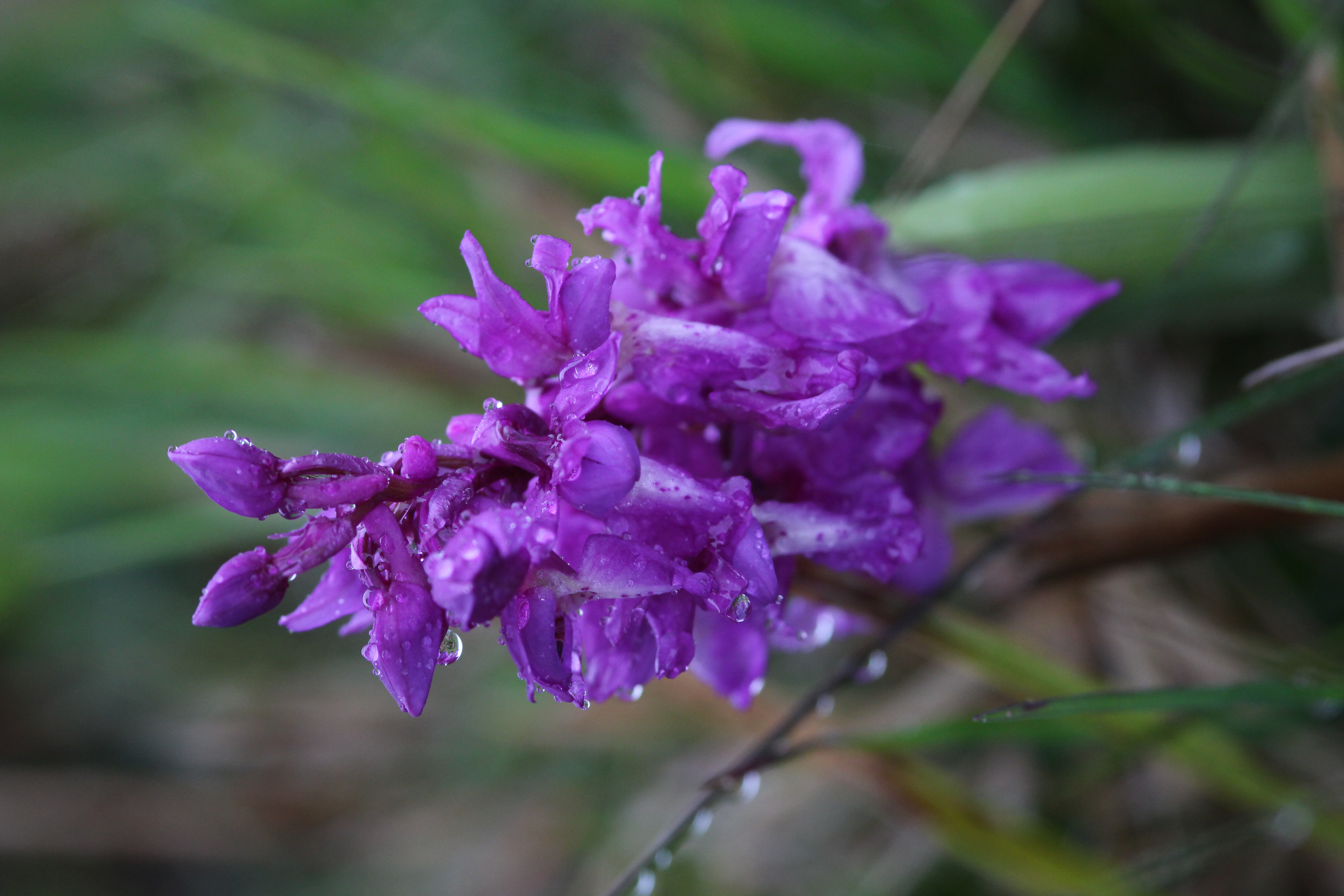
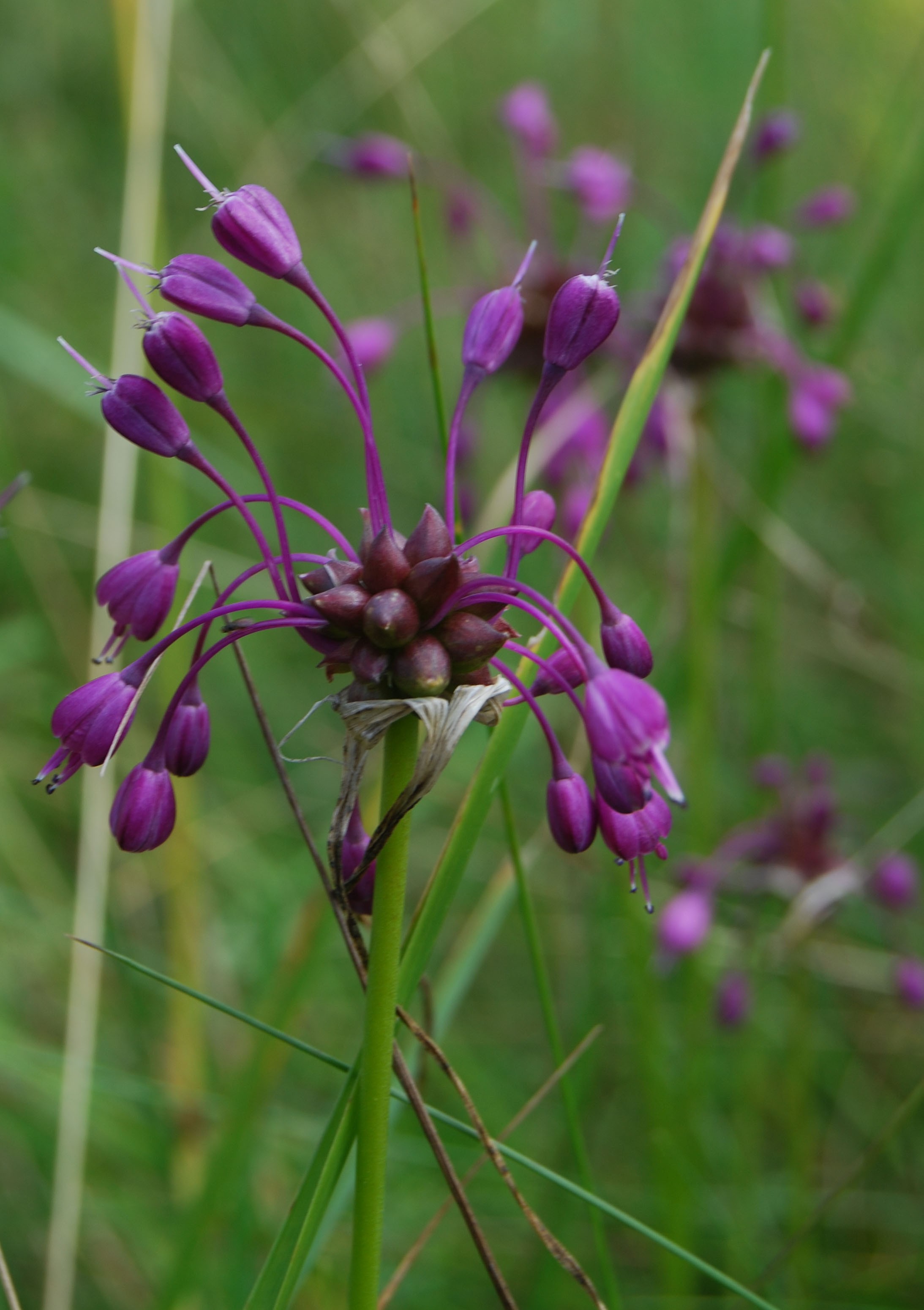
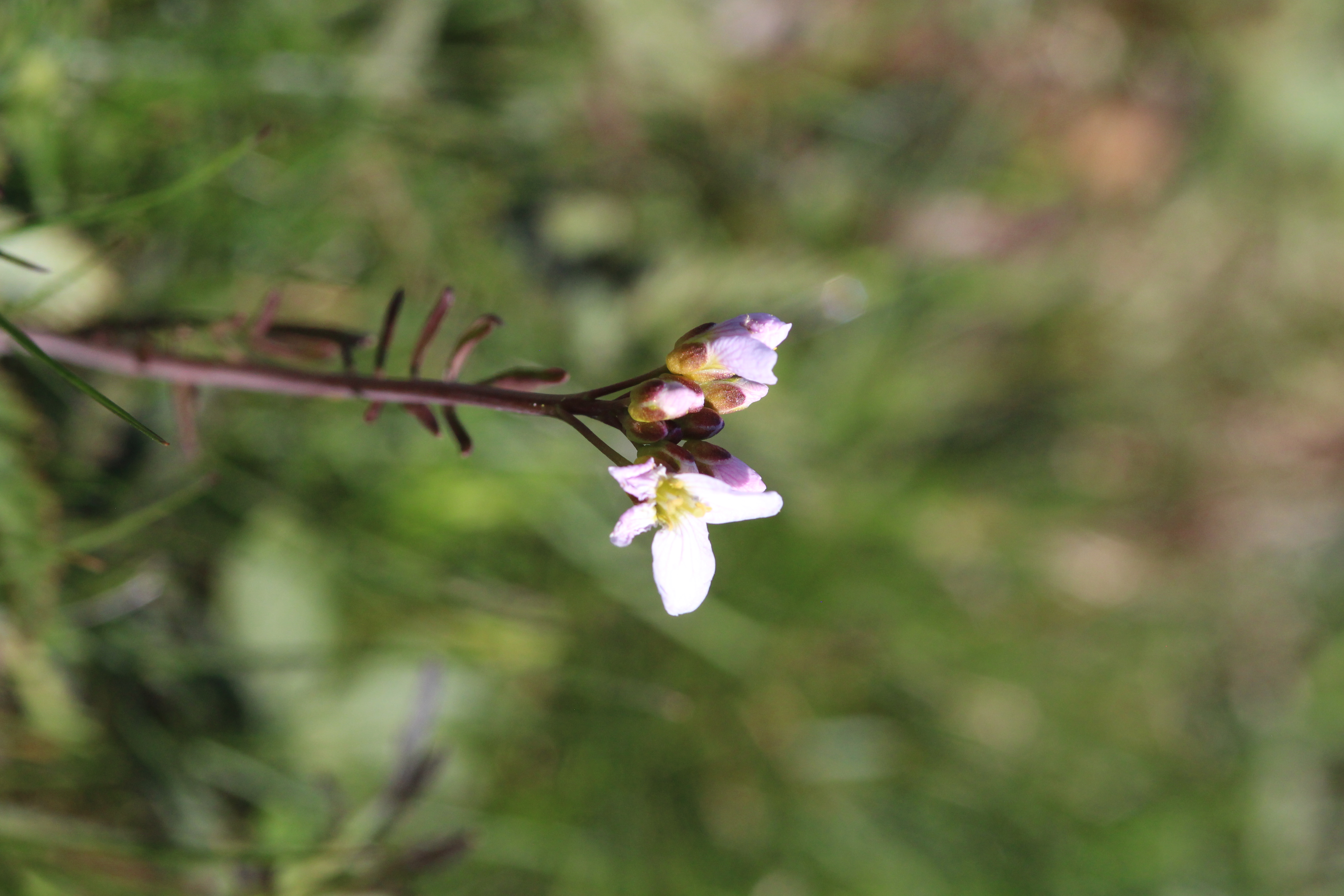
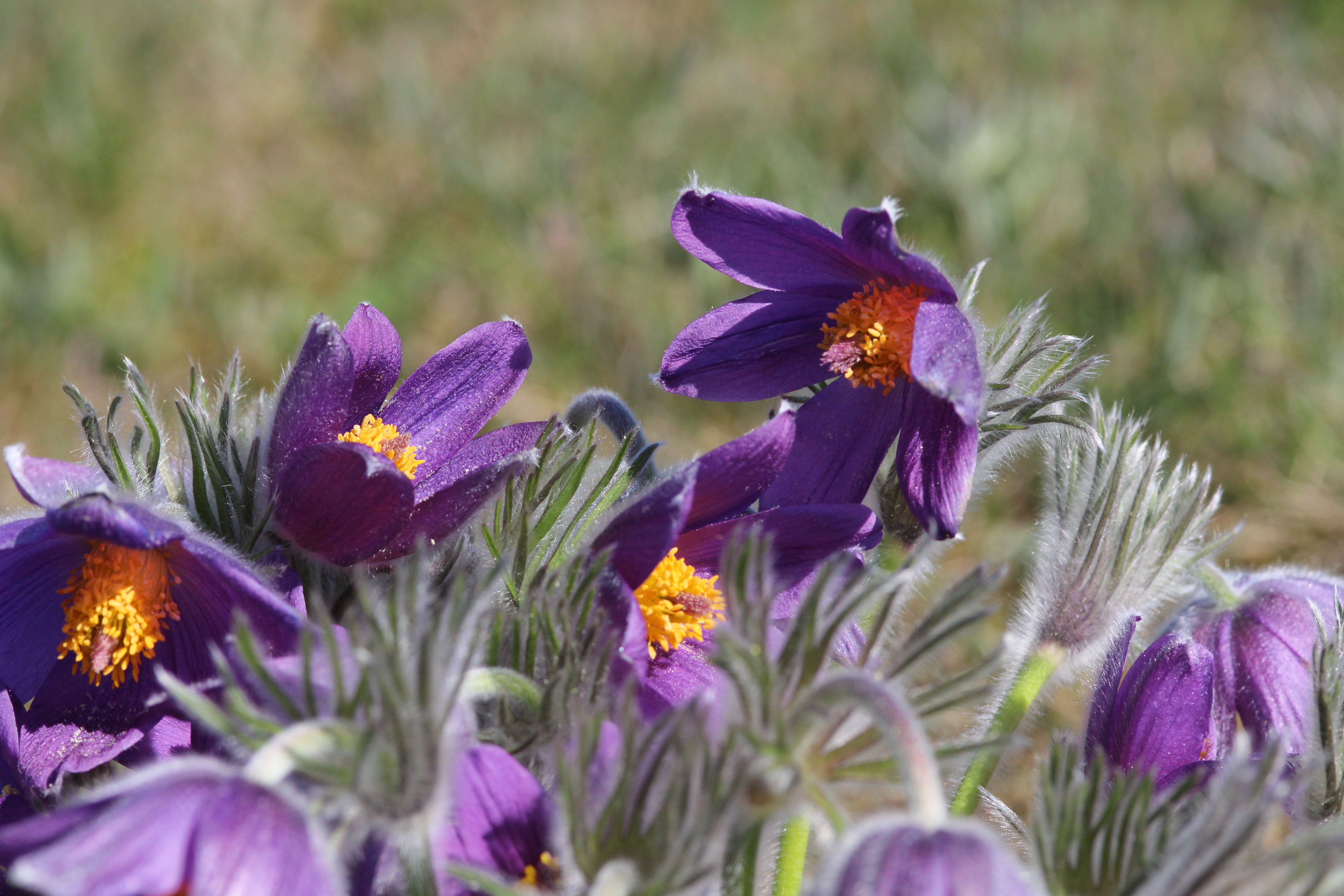
LAGK is home to ten orchid species in total, blooming at different points throughout the summer. This staggered flowering means they provide a food source for pollinators across the entire season.
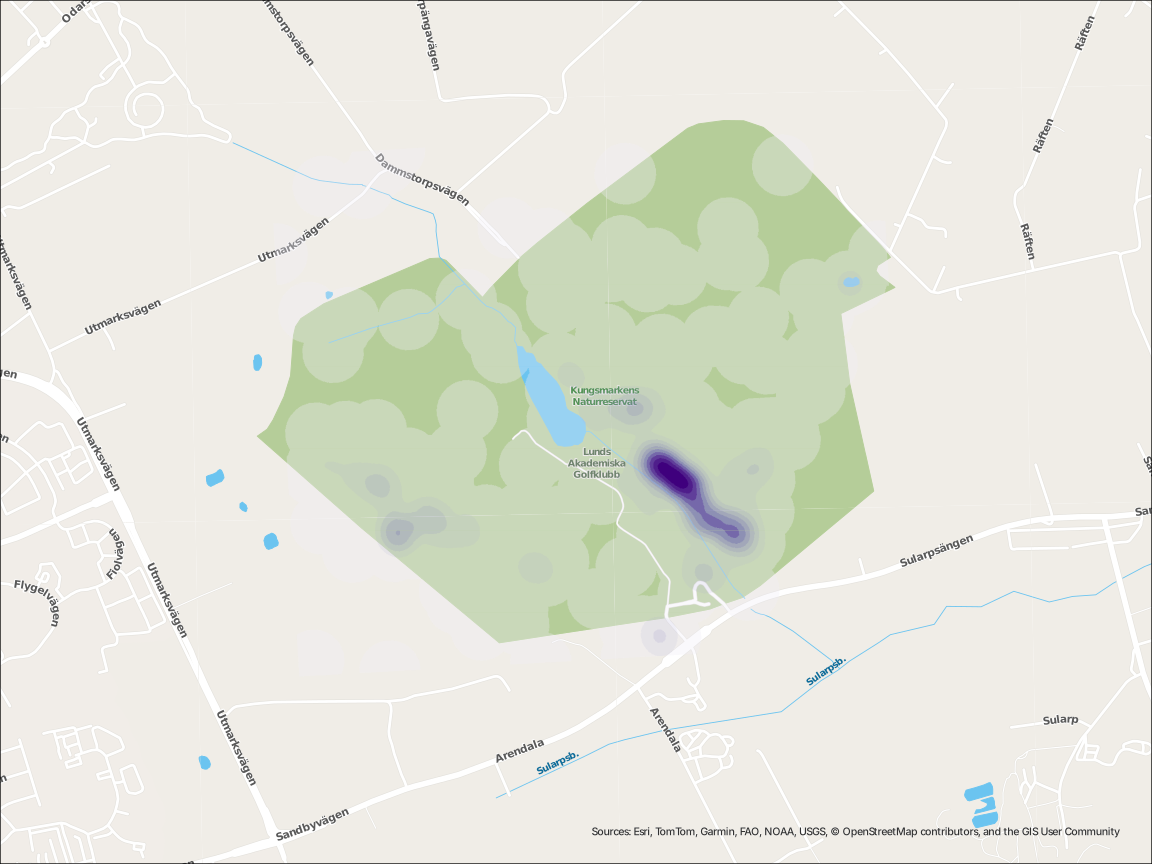
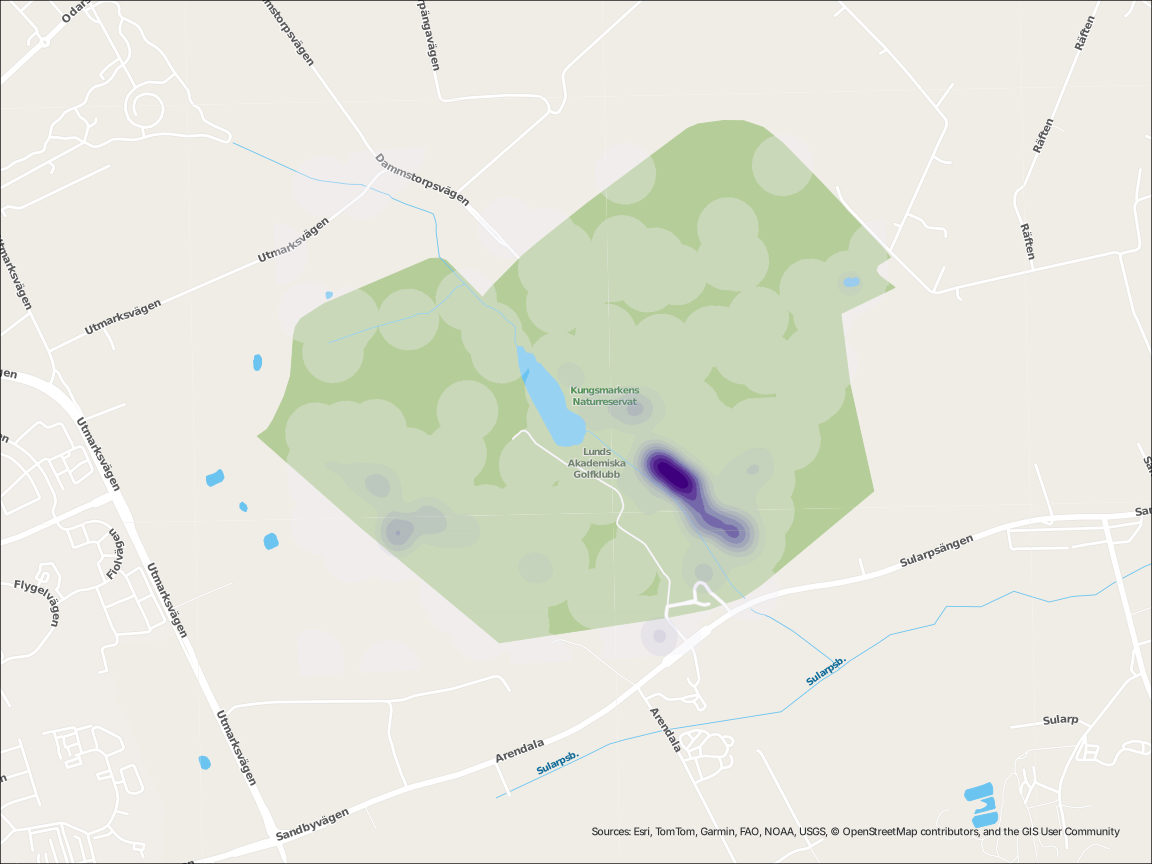
One of the problems that can occur with the flora on the course is people trampling it. A map of Kungsmarken shows that the greatest number of species — orchids above all — occur on the golf course around the hotspot near Green 12.